Understanding the systematic approach we use to organize and present knowledge about movement, strength, and physical practice.

Hysolia's methodology is built on systematic organization of knowledge across multiple domains: biomechanics, physiology, movement sciences, and the historical development of physical practices. Each resource is structured to provide clear progression from foundational concepts to more nuanced exploration.
We draw from peer-reviewed scientific literature, historical texts, and contemporary understanding of human movement and physical practice.
We begin with the structural reality of the human body—bone, muscle, connective tissue—and how these systems integrate to enable movement and maintain stability.
Understanding the mechanical laws that govern movement: leverage, force distribution, stability, and the coordination of muscular effort across multiple joints.
How the body adapts to physical practice over time—strengthening of tissues, neurological adaptation, and the development of functional capacity.
Our approach to knowledge organization uses a layered framework, allowing learners to engage at multiple levels of depth:
Basic principles accessible to all learners—what the spine is, how posture affects function, why flexibility matters. Clear, jargon-free explanations that build understanding from first principles.
More detailed examination of how systems interact—the relationship between core strength and spinal stability, how balance develops, the role of proprioception in movement control.
Deep exploration of scientific mechanisms, historical contexts, and nuanced applications. For those seeking comprehensive understanding of movement science and its evidence base.
Every assertion about movement, physical practice, and their effects on the body is grounded in available scientific evidence. We cite research while acknowledging areas of scientific consensus, ongoing investigation, and legitimate debate.
We also recognize that not all valuable knowledge is formally quantified—traditional practices often contain practical wisdom developed through centuries of experimentation.
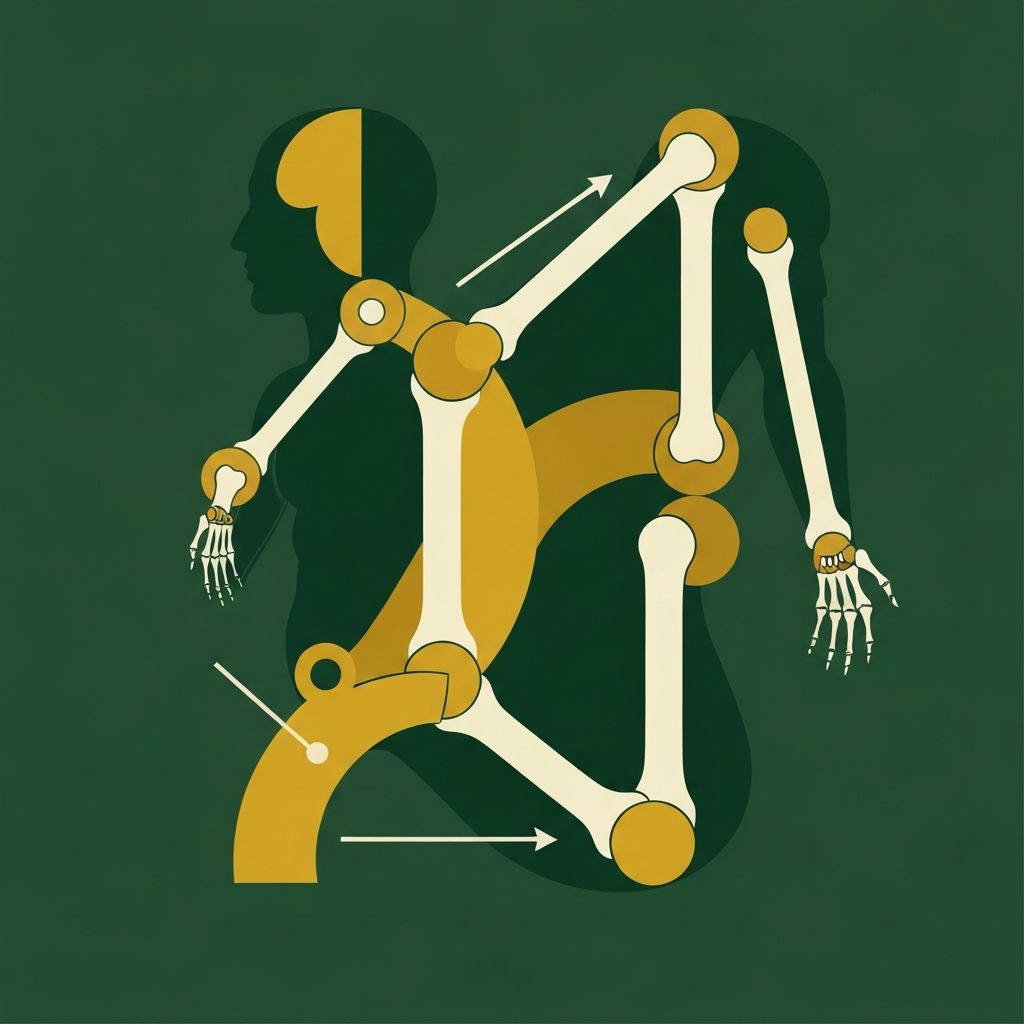
All information is verified against current scientific understanding and reviewed for technical accuracy. We distinguish between established knowledge and areas of active research.
Complex concepts are explained accessibly without oversimplification. We use analogies, visual aids, and progressive revelation of detail to support understanding.
We acknowledge multiple perspectives and approaches within the field of movement science, recognizing that there are often several valid frameworks for understanding physical practice.
All content serves the stated mission: to educate about movement, strength, and flexibility. We exclude promotional or commercial content that doesn't serve our educational purpose.
Our methodology is transparent and open to inquiry. We acknowledge the limitations of our approach and welcome constructive dialogue about how knowledge is organized and presented. We are committed to continuous refinement of our materials based on new evidence and feedback.